

Raising healthy calves starts with consistency, nutrition and reliable feeding routines. On busy dairy and livestock farms, having the right calf milk feeder can make a noticeable difference to calf growth, labour efficiency and overall herd management. Whether you are feeding a small number of calves by hand or managing a larger calf-rearing operation with multiple feeding groups, choosing suitable equipment matters just as much as selecting the right milk replacer.
We work closely with farmers across England, Scotland, Wales and Northern Ireland, and we understand the daily pressures involved in calf rearing. From maintaining hygiene standards to ensuring calves receive the correct milk volumes at the right temperature, feeding systems need to work effectively in real farm conditions.
As one of the UK’s largest suppliers of calf milk powder and milk replacers, we regularly support farmers with feeding advice alongside our nutritional products. The right calf milk feeder should support healthy calf development, improve feeding efficiency and fit the practical needs of your farm.
Why the Right Calf Milk Feeder Matters
A calf milk feeder does far more than simply deliver milk. The feeder you choose influences calf intake, digestion, hygiene and feeding consistency. Young calves benefit from steady feeding routines, and equipment that allows accurate mixing and delivery helps avoid nutritional problems during early development.
Many farms are now moving away from feeding waste milk due to disease concerns and inconsistent nutritional quality. Using high-quality calf milk replacers with reliable feeding systems provides more control over calf performance. According to AHDB, good early nutrition has a direct impact on future productivity and growth rates within dairy herds. Feeding equipment plays an important role in maintaining those standards.
Labour efficiency is another major consideration. During busy calving periods especially, time-saving feeding systems can reduce workload pressures while ensuring calves still receive consistent care.
Different Types of Calf Milk Feeders
There are several types of calf milk feeder available, and the right choice often depends on herd size, labour availability and feeding preferences.
Manual systems
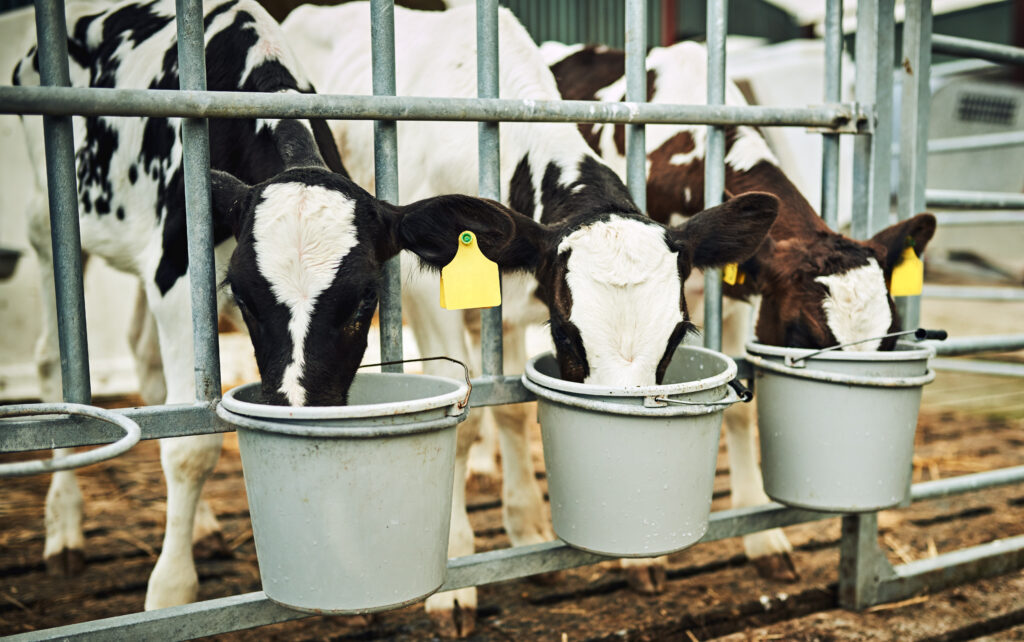
Manual feeding remains popular on many farms in situations where calves are housed individually. These include buckets with teats, gravity feeders and handheld bottle systems. They are relatively affordable and straightforward to clean, making them suitable for smaller calf groups.
Many farmers prefer manual systems because they allow closer observation of calf behaviour and milk intake. Spotting health issues early can be easier when calves are fed individually. However, manual feeding can become time-consuming on larger units where labour availability is limited.
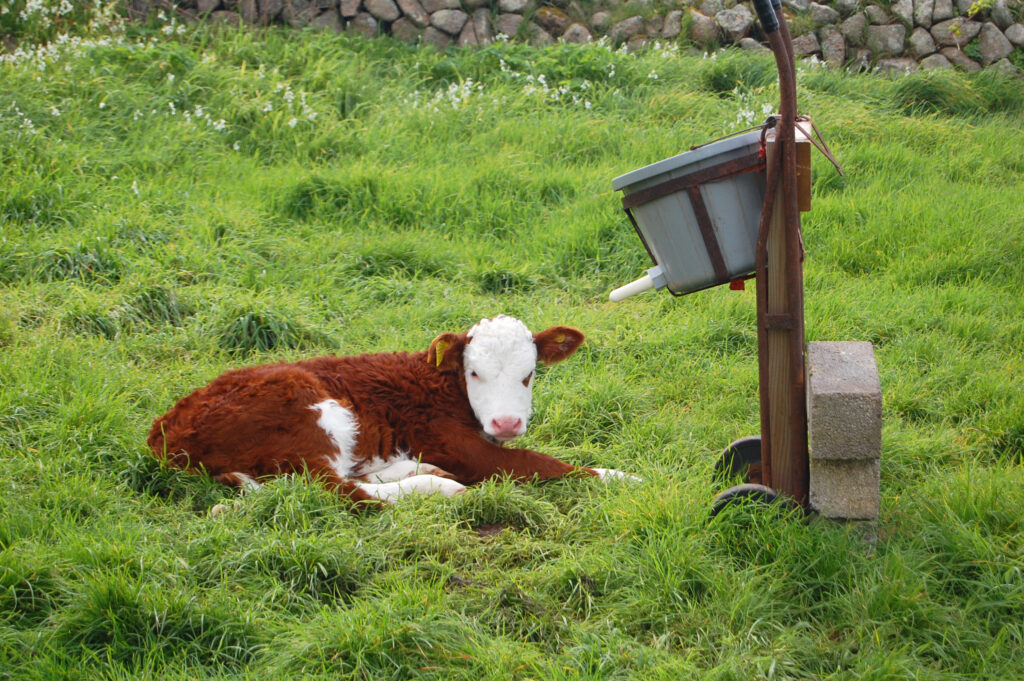
Multi-Calf Feeders
Multi-calf feeders are designed for group housing systems and can feed several calves simultaneously. These units typically feature multiple teats connected to a central milk reservoir. They are useful for reducing feeding time and improving efficiency during busy periods.
Good quality multi-calf feeders should be easy to clean, stable in outdoor conditions and resistant to damage. We often advise farmers to focus on hygiene and durability when comparing models, as poor cleaning access can quickly lead to bacterial build-up.
Automatic Calf Feeders
Automatic feeding systems are becoming increasingly common on larger dairy farms. These systems mix milk replacer automatically and feed calves according to programmed schedules. They can monitor feeding patterns and identify calves showing reduced intake, which may indicate illness.
While automatic systems require greater initial investment, they can provide significant labour savings over time. Farms using computerised feeding systems often benefit from detailed calf performance data and more flexible feeding routines. The National Farmers’ Union has also highlighted the growing role of technology in improving livestock management efficiency across UK farms.
Key Features to Look For in a Calf Milk Feeder
When selecting a calf milk feeder, several practical features should be considered carefully.
Ease of cleaning should always be a priority. Calf feeding equipment must be cleaned thoroughly after use to reduce bacterial contamination. Feeders with awkward corners, poor drainage or inaccessible tubing can quickly become difficult to maintain properly.
Durability matters as well. Feeding equipment on livestock farms experiences constant use and exposure to weather, dirt and physical impact. Strong plastics, secure fittings and reliable components usually provide better long-term value than cheaper alternatives requiring frequent replacement.
Temperature control can be particularly important for automatic systems. Calves feed more consistently when milk is delivered at suitable temperatures, especially during colder weather conditions. Reliable mixing systems also help ensure milk replacer powders dissolve correctly without clumping.
Capacity is another practical factor. Smaller farms may only require basic bucket systems, while larger calf-rearing operations often need higher-volume feeders capable of supporting larger groups efficiently.
Matching Your Feeding Equipment to Your Milk Replacer
The performance of your calf milk feeder is closely linked to the milk replacer being used. High-quality calf milk powders with good solubility are easier to mix consistently and flow more effectively through feeding systems.
We formulate our calf milk replacers to support reliable mixing and calf performance across different feeding setups, including manual and automated systems. Our products are designed with calf growth, digestibility and feeding consistency in mind, helping farmers maintain strong rearing results throughout the season.
It is important to follow recommended mixing rates carefully and ensure feeders are calibrated correctly. Inconsistent concentrations can lead to digestive upset or reduced growth performance. Regular maintenance and cleaning also help preserve the quality of both the milk replacer and the feeding equipment itself.
Hygiene and Maintenance Tips
Even the best calf milk feeder will underperform if hygiene standards are poor. Milk residue provides an ideal environment for bacteria growth, and contaminated equipment can contribute to calf health issues including scour and reduced feed intake.
Feeders should be rinsed immediately after use and cleaned thoroughly with suitable detergents. Teats, valves and tubing should be checked regularly for wear or blockages. Automatic systems require ongoing servicing to ensure accurate mixing and dispensing.
Water quality should not be overlooked either. Clean water supports proper milk mixing and reduces contamination risks. Many experienced calf rearers also schedule routine equipment inspections before peak calving periods begin to avoid unnecessary downtime during busy months.
Choosing a Supplier You Can Rely On
When investing in a calf milk feeder, support and technical advice can be just as valuable as the equipment itself. We work directly with farmers across the UK, providing practical feeding guidance alongside our calf nutrition products. Our experience within livestock nutrition allows us to help customers choose feeding approaches suited to their individual systems and herd requirements.
Many of our customers value having direct access to farm-focused advice before and after purchase. From calf milk replacers and colostrum products to feeding support and supplements, we aim to provide dependable solutions that support healthy calf development and long-term farm performance.
Choosing the best calf milk feeder comes down to reliability, hygiene, efficiency and suitability for your operation. With the right feeding setup and nutritional support in place, calves are given the strongest possible start during one of the most important stages of their development.